Mulching: A Natural Way to Improve Your Soil by JR Flores Landscape Services
Maintaining a lush, healthy landscape requires more than just regular watering and fertilizing. One crucial practice that often goes overlooked is mulching. Not only does mulching enhance the visual appeal of your garden, but it also plays a significant role in improving soil health. In this comprehensive guide,
JR Flores Landscape Services, your trusted landscaping company in Highlands, TX, will explore the benefits of mulching and how it can be a game-changer for your garden.
What is Mulching?
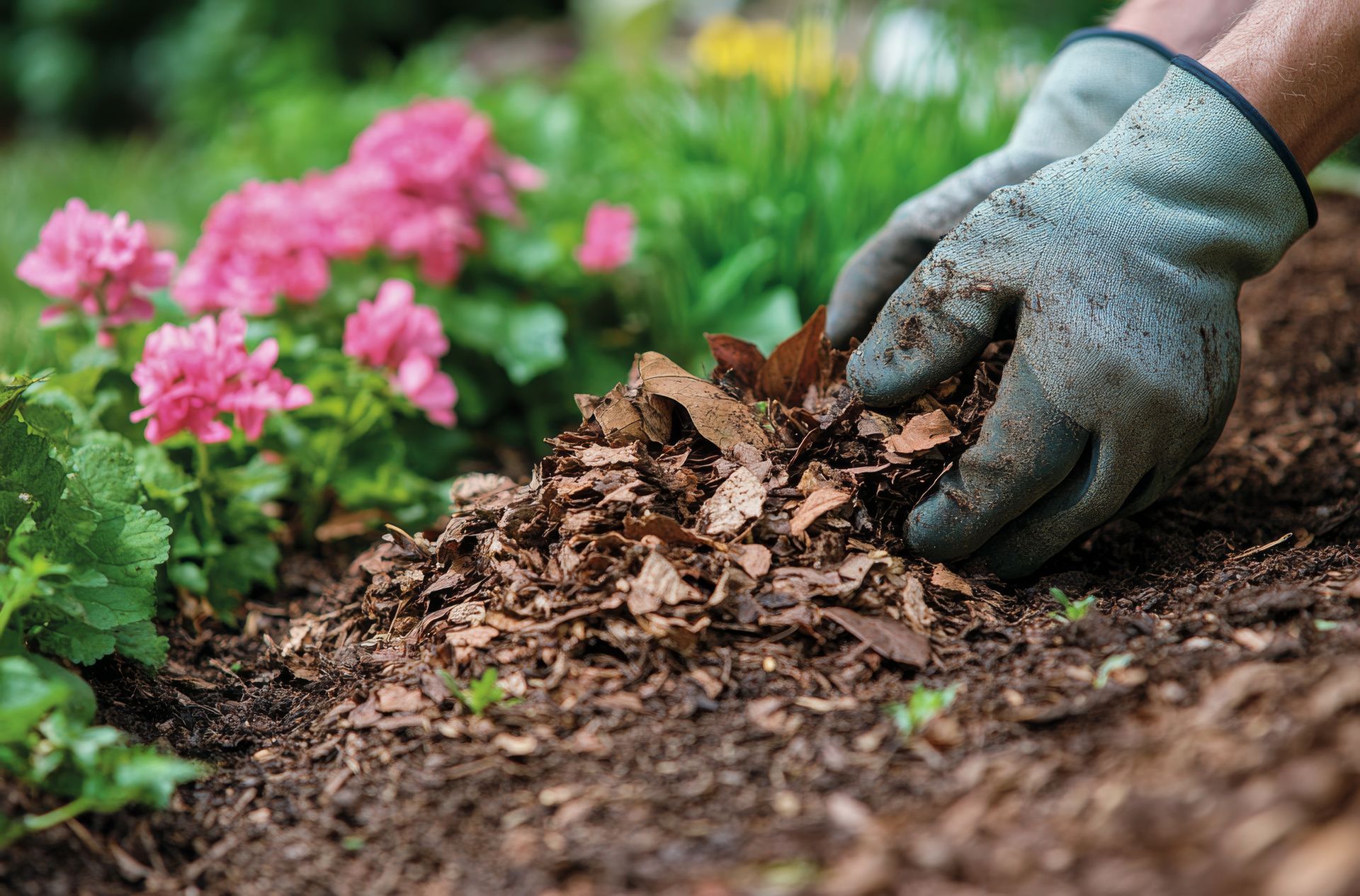
Mulching is the process of covering the soil surface with a layer of organic or inorganic material. The primary purpose of mulching is to retain soil moisture, suppress weeds, and improve soil health. Various materials can be used for mulching, each offering different benefits. Common organic mulches include wood chips, bark, straw, grass clippings, and leaves. Inorganic mulches, such as stones, plastic sheeting, and rubber mulch, are also popular.
Benefits of Mulching
Mulching offers a wide range of benefits that contribute to a healthier and more vibrant garden. Here are some of the key advantages:
- Moisture Retention: Mulch helps the soil retain moisture by reducing evaporation. This is particularly important in hot and dry climates, as it ensures that your plants receive a consistent supply of water.
- Weed Suppression: A layer of mulch acts as a barrier that prevents weed seeds from germinating. This minimizes the effort required for weeding and keeps the garden looking neat.
- Soil Temperature Regulation: Mulch acts as an insulator, maintaining cooler soil temperatures during summer and warmer ones in winter. This provides a more consistent and stable environment for plant roots.
- Soil Enrichment: As organic mulches break down, they release essential nutrients into the soil, enhancing its structure, fertility, and overall vitality.
- Erosion Control: Mulch mitigates soil erosion by lessening the force of rainwater on the ground's surface. This is particularly beneficial on slopes and in areas prone to heavy rainfall.
Types of Mulch and Their Uses
Choosing the right type of mulch for your garden depends on your specific needs and preferences. Here are some common types of mulch and their uses:
- Wood Chips and Bark: Ideal for use around trees, shrubs, and flower beds. They decompose slowly and provide long-lasting benefits.
- Straw and Hay: Excellent for vegetable gardens, as they decompose quickly and add nutrients to the soil. They also help keep fruits and vegetables clean by preventing soil splashes.
- Grass Clippings: A readily available and cost-effective option for mulching lawns and garden beds. They decompose rapidly and add nitrogen to the soil.
- Leaves: A great option for mulching around trees and shrubs. Leaves break down rapidly, enriching the soil with organic matter.
- Compost: A nutrient-rich mulch that improves soil fertility. It is suitable for use in vegetable gardens, flower beds, and around trees and shrubs.
- Inorganic Mulch: Materials like stones, plastic sheeting, and rubber mulch are long-lasting and require minimal maintenance. They are ideal for use in areas where you want to reduce weed growth and maintain a clean appearance.
How to Apply Mulch Correctly
Proper application of mulch is essential to maximize its benefits. Here are some tips for applying mulch correctly:
- Prepare the Soil: Before applying mulch, remove any weeds and debris from the soil surface. Loosen the soil with a rake to improve water penetration.
- Apply the Right Amount: Spread mulch in an even layer, typically 2-4 inches thick. Avoid piling mulch against the stems or trunks of plants, as this can lead to rot and disease.
- Replenish as Needed: Organic mulch breaks down over time, so it's important to replenish it periodically to maintain its effectiveness. Regularly monitor the mulch layer and replenish it when necessary.
- Avoid Over-Mulching: Too much mulch can suffocate plant roots and create a breeding ground for pests and diseases. Stick to the recommended thickness and avoid over-mulching.
When to Mulch
Timing is crucial when it comes to mulching. Here are some guidelines for when to mulch:
- Spring: Apply mulch in the spring after the soil has warmed up. This helps retain moisture and suppress weeds during the growing season.
- Fall: Mulch in the fall to insulate the soil and protect plant roots from freezing temperatures. Fall mulching also helps retain moisture and reduce erosion during the winter months.
- Throughout the Year: In warm climates, mulching can be done throughout the year to maintain soil moisture and regulate temperature. Just be sure to monitor the mulch layer and replenish it as needed.
Contact JR Flores Landscape Services for Professional Mulching in Highlands, TX
Mulching is an essential practice that can significantly improve the health and appearance of your garden. By choosing the right type of mulch and applying it correctly, you can enjoy a beautiful, thriving landscape with minimal effort. At JR Flores Landscape Services, we specialize in mulching and other landscaping services that enhance the beauty and health of your outdoor spaces. We also offer wood fence installation, hardscaping, outdoor light installation, seeding, tree care services, sprinkler systems, and more.
If you're looking to improve your soil and create a more vibrant garden, contact JR Flores Landscape Services at
(281) 386-1444. Our experienced team is ready to help you with all your landscaping needs.
FAQs