Top Lawn Care Maintenance Tips for a Healthy Yard Year-Round
A well-maintained lawn is the pride of any homeowner and the envy of the neighborhood. Nonetheless, a consistent lawn care protocol is necessary to sustain a lush, healthy yard. At
JR Flores Landscape Services in Highlands, TX, we understand the importance of a thriving lawn and are here to share our top lawn care maintenance tips to keep your yard looking its best throughout the year.
1. Regular Mowing: The Foundation of Lawn Care Maintenance
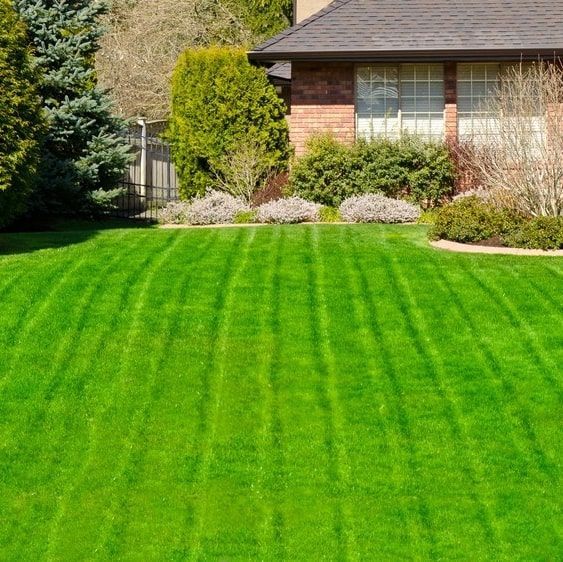
One of the most basic yet crucial aspects of lawn care and maintenance is regular mowing. Adhering to proper mowing practices is essential for a healthy lawn. The following tips can help:
- Mow at the right height: Different grass types have different optimal mowing heights. Generally, your grass should be kept between 2.5 and 3 inches tall. This height helps promote deep root growth and shades the soil, reducing weed growth.
- Mow regularly: Avoid cutting more than one-third of the grass blade at a time. Regular mowing helps maintain a uniform appearance and prevents the grass from becoming stressed.
- Keep your mower blades sharp: Dull blades tear the grass, causing stress and making it more susceptible to disease. To ensure a clean cut, it is recommended to sharpen your mower blades at least once a year.
Regular mowing not only enhances the aesthetic appeal of your lawn but also encourages healthier, denser grass growth.
2. Watering Wisely: Essential for Lawn Health
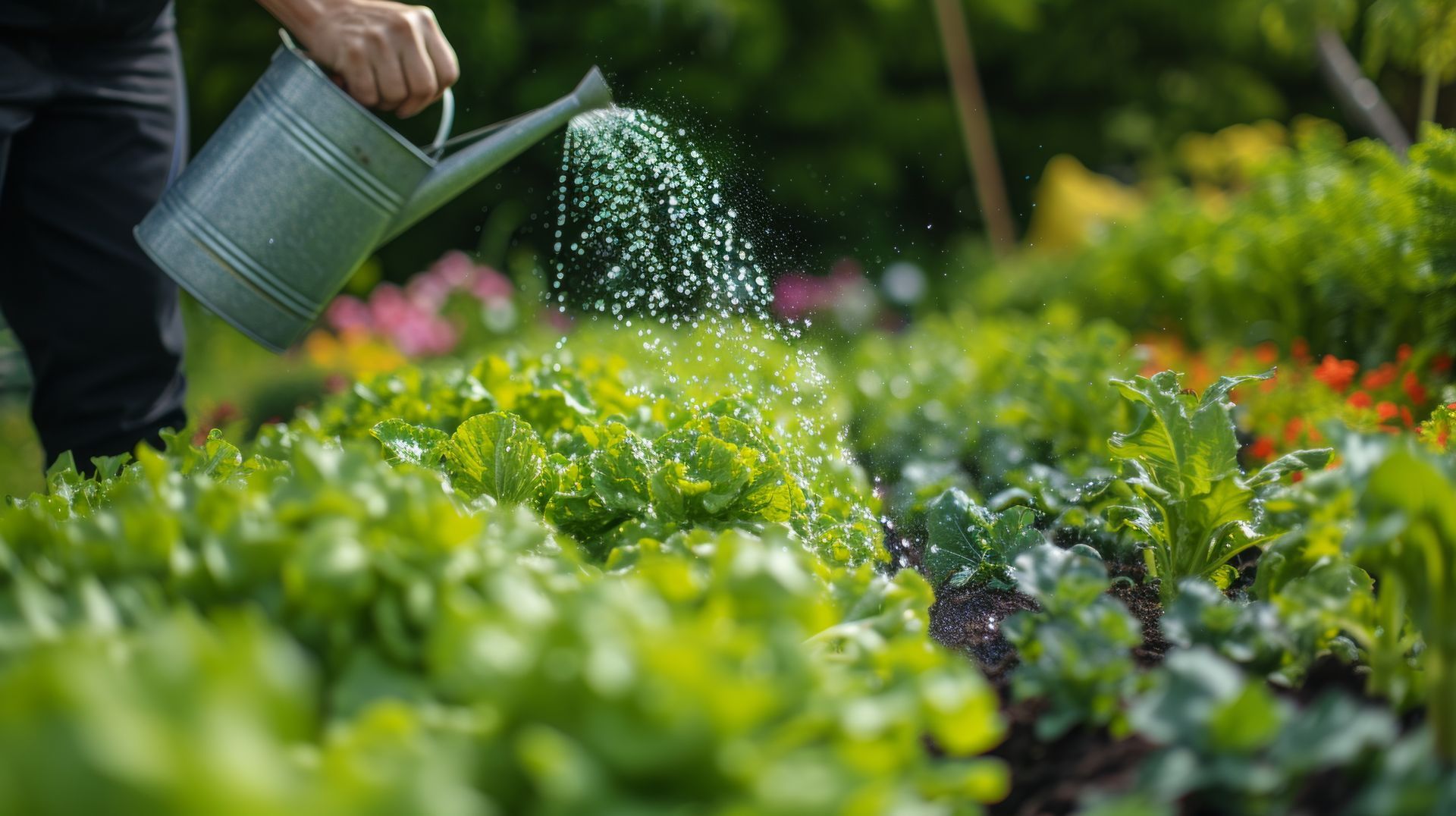
Watering is a critical component of lawn care maintenance. Implementing proper watering techniques can significantly enhance the health and aesthetic appeal of your yard. Here’s what you need to know:
- Water deeply and infrequently: Instead of watering lightly every day, water your lawn deeply once or twice a week. By encouraging deeper root growth, your lawn becomes more resilient to dry conditions.
- Water early in the morning: The most effective time to water your lawn is early morning, between 6 AM and 10 AM. This allows for maximum water absorption by the grass before the heat of the day causes evaporation.
- Avoid overwatering: Excessive watering can result in shallow root development and increased susceptibility to disease. It is recommended to provide approximately 1 to 1.5 inches of water per week, taking into account rainfall.
Implementing these watering tips will help you maintain a healthy, vibrant lawn that can withstand the challenges of each season.
3. Fertilization: Nourishing Your Lawn
Fertilization is a crucial component of lawn care and maintenance, providing the essential nutrients necessary for robust grass growth. Here’s how to fertilize effectively:
- Choose the right fertilizer: Utilize a balanced fertilizer with a nitrogen, phosphorus, and potassium ratio tailored to your particular grass type. Slow-release fertilizers are beneficial as they provide nutrients over an extended period.
- Apply at the right time: The optimal periods for fertilizing your lawn are spring and fall when the grass is actively growing. To minimize stress on the grass, avoid fertilizing during the hot summer months.
- Follow recommended application rates: Over-fertilization can damage your grass and result in excessive growth, requiring more frequent mowing. Adhere to the recommended application rates on the fertilizer package.
Regular fertilization promotes a thick, green lawn that can resist weeds, pests, and diseases.
4. Aeration: Improving Soil Health
Aeration is an often overlooked aspect of maintenance lawn care that can greatly improve the health of your grass. Aeration entails the creation of small holes in the soil to enhance the penetration of air, water, and nutrients to the root system. Here’s why it’s important:
- Reduces soil compaction: Over time, soil can become compacted, restricting root growth and reducing the effectiveness of watering and fertilization. Aeration helps alleviate this compaction.
- Enhances nutrient uptake: By improving soil structure, aeration allows grass roots to absorb nutrients more efficiently, promoting healthier growth.
- Promotes root growth: Aeration encourages deeper root growth, making your lawn more resilient to drought and other stresses.
The optimal time for aeration is in the fall when the grass is actively growing and the soil is moist.
5. Weed and Pest Control: Protecting Your Lawn
Unchecked weeds and pests can rapidly overrun a lawn. Effective weed and pest control is essential for a healthy yard. Here are some tips:
- Identify and treat weeds early: Regularly inspect your lawn for weeds and treat them promptly. Use a pre-emergent herbicide in the spring to prevent weed seeds from germinating, and spot-treat existing weeds with a post-emergent herbicide.
- Implement integrated pest management (IPM): IPM involves using a combination of cultural, mechanical, biological, and chemical methods to control pests. This approach minimizes the use of harmful chemicals and promotes a healthier lawn.
- Encourage beneficial insects: Some insects, such as ladybugs and predatory beetles, can help control harmful pests. By planting a diverse range of flowers and plants, you can attract beneficial insects to your yard.
Regular monitoring and prompt treatment of weeds and pests will help you maintain a lush, healthy lawn.
Contact JR Flores Landscape Services for Professional Lawn Care Maintenance
Maintaining a beautiful, healthy lawn requires dedication and consistent effort. By following these top lawn care maintenance tips, you can enjoy a vibrant yard year-round. At
JR Flores Landscape Services, we are committed to helping you achieve the lawn of your dreams. Contact us today at
(281) 386-1444 to learn more about our professional
lawn care and
maintenance services such as
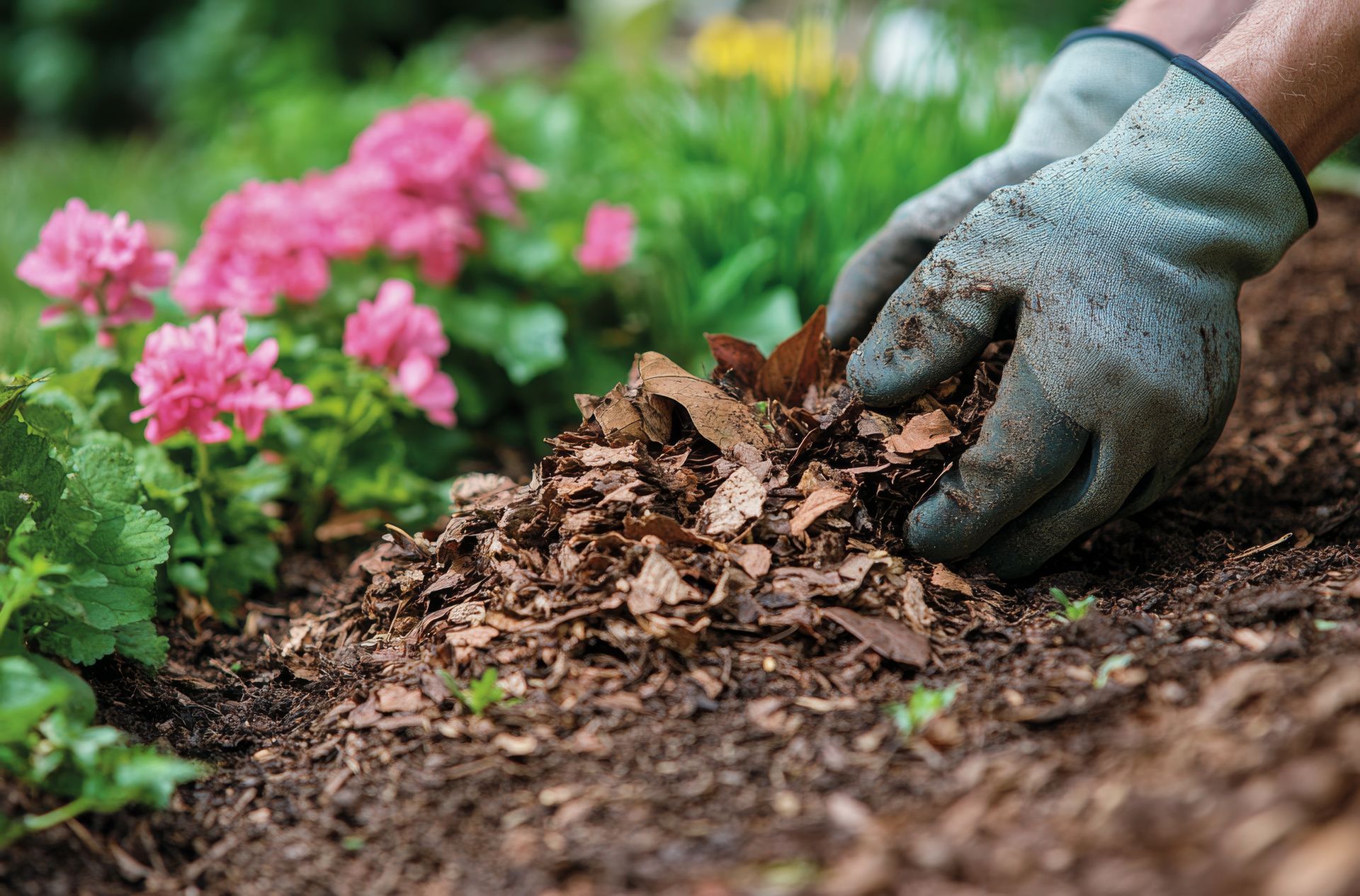
mulching,
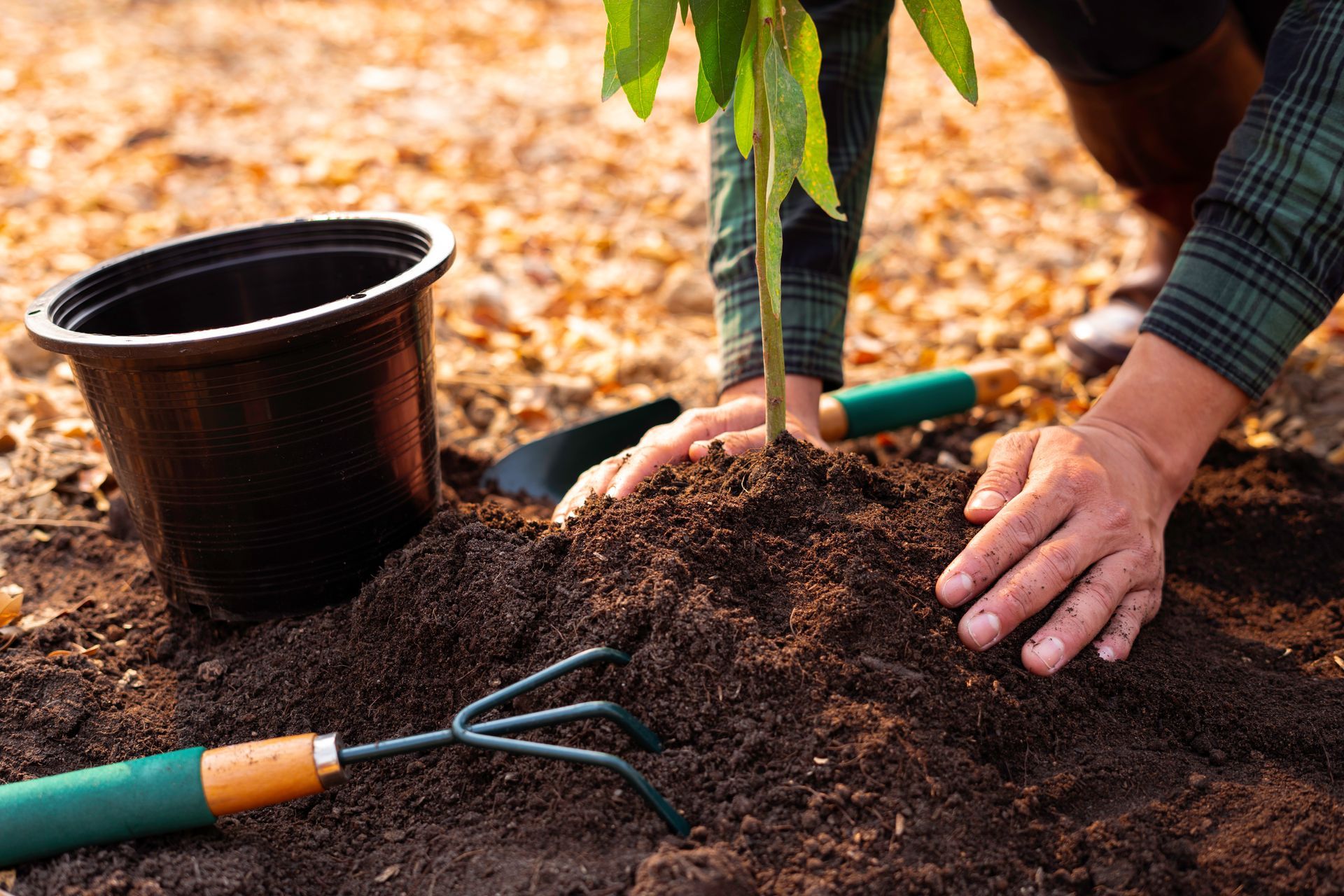
seeding,
hardscaping,
sprinkler systems, and more. Let us take the hassle out of lawn care so you can relax and enjoy your beautiful yard.
FAQs